
If you thought we were done debunking homeschooling myths, think again. Even after years of homeschooling and countless conversations with curious (and sometimes skeptical) people, I’m still surprised by how many misconceptions continue to circulate about what homeschool really looks like.
In my first post, 10 Myths About Homeschooling DEBUNKED, I addressed some of the most common assumptions families hear when they choose home education. But the list didn’t end there. From high school and college readiness to who homeschools and why, there are still plenty of myths that deserve a closer look. So, let’s keep the conversation going and clear up a few more misunderstandings about homeschooling.
Myth #1: You can’t homeschool through high school.
FACT: You absolutely can homeschool through high school.
Myth #2: Homeschoolers have a hard time getting into college.
FACT: Homeschoolers face many of the same successes and challenges in college admissions as students from traditional schools. In fact, it’s often homeschooled applicants who have especially strong, well-rounded applications. Many homeschooled students have gone on to attend and graduate from a wide range of colleges and universities, including highly competitive and prestigious institutions.
Homeschooling doesn’t limit opportunity — it often expands it.
Myth #3: Homeschool families live on farms in rural areas.
FACT: Homeschool families live everywhere—from large urban cities to small rural towns. Some families even homeschool while living on boats, buses, or in Airbnbs as part of worldschooling adventures.

Myth #4: Homeschooled high schoolers miss out on prom and graduation.
FACT: Homeschooled students often have access to proms and graduation ceremonies. Many homeschool co-ops sponsor these events, or families collaborate to host them together. In some areas, school districts also allow homeschooled students to attend their local high school’s prom and graduation ceremony.
Myth #5: Only White Christians with a lot of children homeschool.
FACT: Homeschooling families come from a wide range of racial, cultural, and belief backgrounds, and many families homeschool just one or two children. In recent years, there has also been a notable rise in Black families choosing to homeschool due to inconsistent, unsupportive, and inequitable public school systems in their communities.
Myth #6: Homeschoolers sit around all day at home doing nothing.
FACT: On average, many homeschooling families spend about three hours a day on focused schoolwork. Homeschooling doesn’t require fluff to be effective. Because instruction is individualized, students can often complete meaningful work in a shorter amount of time, leaving space for rest, play, and exploration.
Effective learning doesn’t require long hours — it requires intention.
Myth #7: Homeschooling is only a valid, temporary option because of COVID-19.
FACT: While homeschooling became the primary mode of learning during the COVID-19 pandemic, it has been a long-standing educational choice for families. Many students thrived in home learning environments, and a significant number of families who began homeschooling during the pandemic chose to continue afterward. I’ve personally noticed a steady increase in the number of new homeschooling families within my local co-op and online homeschool communities.
Myth #8: Homeschool is the same as online learning.
FACT: Online learning is just one of many tools homeschoolers may use. Homeschooling can also include textbooks and workbooks, audio and video resources, play-based learning, nature exploration, museum visits, hands-on projects, kinesthetic learning, and much more.
Myth #9: Homeschooling isn’t an option for children with special needs or those who are advanced.
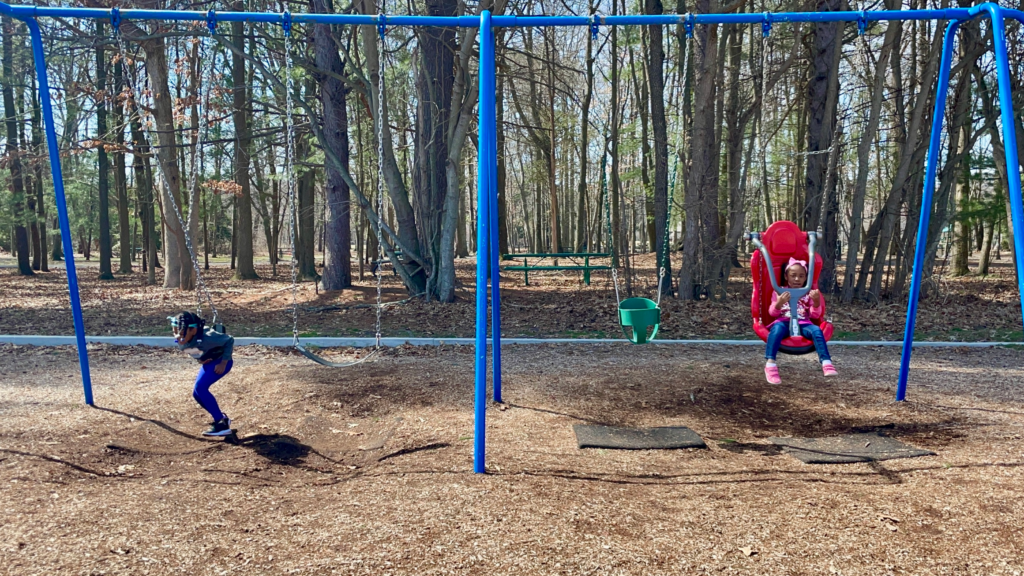
FACT: Homeschooling can be an excellent option for neurodivergent children across a wide range of abilities because it allows for individualized support. This might look like frequent breaks, freedom to fidget or stim, or learning in unconventional spaces—under the kitchen table, outside on a swing, or upside down against the living room wall. It can also mean moving ahead in subjects regardless of age or grade level. Homeschooling creates space for curiosity, interest-led learning, and lifelong engagement.
Homeschooling makes room for individuality, curiosity, and how children actually learn.
Myth #10: Children won’t listen to their parents as teachers.
FACT: Have you heard the phrase “home training”? When children struggle with listening or respect, that’s typically a parenting challenge—not a homeschooling one. The same dynamics exist in traditional school settings as well.
Myth #11: Homeschooling is a luxury.
FACT: For many families, homeschooling is a necessity. Experiences with bullying, lack of resources, insufficient support, racial inequities, or unmet learning needs often lead families to seek alternatives. Homeschooling becomes a response to being underserved by the system, not an indulgence.
Homeschooling doesn’t look one single way, and that’s exactly the point. It’s flexible, adaptable, and shaped by the needs, values, and circumstances of each family. My hope is that debunking these myths helps broaden the conversation around homeschooling and offers a clearer picture of what’s possible. Whether you’re considering homeschooling, already in the thick of it, or simply want to better understand the families who choose it, I hope this list encourages curiosity, compassion, and more informed conversations moving forward.
Have you heard any other homeschooling myths? I’d love to know which ones still come up in your conversations.
You May Also Like
