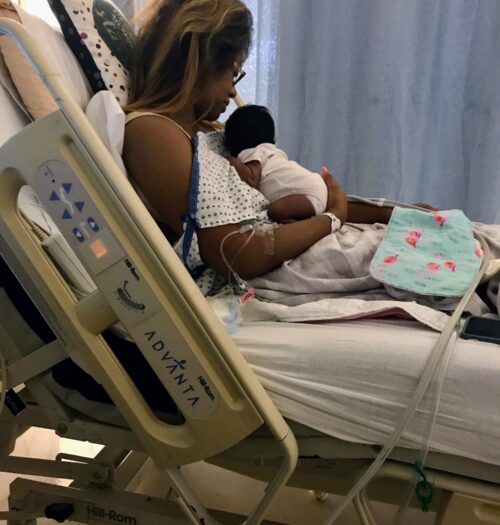

After having a baby, it’s easy to focus on all of the physical changes your body goes through. There’s shrinking happening here, leaking happening over there, and so much attention placed on healing physically. Add a newborn into the mix, and suddenly there feels like there’s no mental space left for anything else.
But Mama, it’s just as important to make room to care for your mental health, too.
From pre-pregnancy to pregnancy and into the postpartum period, your hormones have gone through rapid and significant changes — sometimes without much warning. That alone can affect how you think, feel, and process the world around you. Please know that you are not alone in this. No matter what stage of motherhood you’re in, mental health self-maintenance matters.
Below is a non-exhaustive list of practical, gentle ways you can support your postpartum mental health. Take what serves you, leave what doesn’t, and remember that even small steps count.
You don’t have to do all of these. One is enough.
Mama, it is so important that you do make the room to also keep tabs on your mental health.
1. Have a Mommy Date
Meeting up with your Mommy Friends, especially without your little one, is a great way to refresh your mind. Adult conversation matters. Try to talk about things beyond the kids, but when they do come up (because how could you not gush over your little cuties?), you’ll be surrounded by people who can laugh, cry, and relate right alongside you.
2. Talk With Someone You Trust
It’s important not to bottle everything inside. Whether it’s a friend, family member, or a therapist having a safe person to share your thoughts and feelings with can make a huge difference.
3. Journal
If talking feels like too much, journaling is a powerful alternative. Your writing doesn’t need to be neat or polished. Just get it out. Write freely and without judgment..
4. Take a Break
It’s okay to say no. It’s okay to rest. It’s okay to binge-watch a favorite show or do absolutely nothing. Your body, mind, and emotions need breaks, often.
5. Go for a Walk
Fresh air and vitamin D can do wonders for your mental health. Walking helps regulate your breathing, clear your mind, and gently move your body. Grab the stroller or baby carrier and take a short walk around the block or park.
6. Read a Book (Unrelated to Parenting)
Give your mind a break from all things baby-related. Escape into a book just for fun.

7. Eat Well and Drink Water
What you eat and drink affects both your body and your mind. Water and nourishing foods rich in vitamins and minerals can help support energy levels and mental clarity.
8. Exercise
Movement can boost energy and improve mood. Just be sure to get clearance from your medical provider before starting any new routine postpartum.
9. Try a New Hobby
Having a creative or enjoyable outlet matters. Whether it’s knitting, baking, music, or something you’ve always wanted to try, hobbies give you something that’s just yours.
10. Attend a Mommy Support Group
Support groups offer encouragement, shared experiences, and understanding. There are groups for first-time moms, breastfeeding moms, babywearing moms, BIPoC moms, working moms, pumping moms, and more—both in person and online.
11. Use Medications/Herbs
Sometimes additional support is necessary. Medication or herbal remedies can help balance hormones and support mental health. If you’ve tried several options on this list and still feel off, reach out to your medical provider to discuss next steps.
Your body, mind, and emotions need a break…often.
12. Participate in Self-Care
Self-care is intentional time spent caring for yourself. This might look like a bubble bath, a massage, or setting boundaries. Truly, this entire list is self-care. Even one intentional act a week can make a difference.
13. Recruit Some Help Around the House
One thing that I’ve learned as a mom is that if someone offers help, let them. If they haven’t offered, ask. When your family or friends come over to visit you and the baby, they should also be helping you cross an item off of your To-Do/Chore list. Ask them to help you wash the dishes, fold the laundry, run to the grocery store, or whatever it is that will help to lighten your load. Hiring a postpartum doula can also be incredibly supportive during this season, especially since many are also trained in breastfeeding, belly binding, and more.
14. Take a Nap (Anytime, Anyplace)
Truth be told, your body needs rest. It needs time to restore and repair itself — your mind included. When you lack adequate sleep, it shifts your ability to think clearly and rationally, and it even changes your attitude and mood. I know it can be hard to find the time or to actually fall asleep (especially after those middle-of-the-night feedings), but fight for your rest. You really will feel so much better.
15. Listen to Good Music
This is one of my favorite ones here because I just love music… specifically good music. Music is healing and therapeutic. Because it can help change your mood, I encourage you to play music throughout your day. But don’t just listen to it in your headphones, share the sonic waves with everyone in your home because it will boost their moods too! It’s also great for encouraging baby (and you, wink, wink) to have a restful sleep.
16. Check Out Inspiring Podcasts or Blogs
There are so many great podcasts and blogs out there that talk about all things mommyhood (like this one!). They are often full of resources and encouragement from other moms who have been where you are right now. Thank YOU so much for taking the time to visit my blog here at The Mama Connect!
17. Have Regular Prayer & Meditation
As a Christian Mama, I run to prayer throughout my day. Simple, short, “popcorn prayers” are really all it takes for me to maintain my sanity between homeschooling and mommying throughout the day. (“Jesus, please help my patience!” is one often heard in the Heavens from me.) Whether through prayer, meditation, or stillness, take moments to intentionally center your thoughts.
18. Encourage Yourself
Postpartum hormones and mom guilt can make negative self-talk loud. Speak truth over yourself—and often! Write affirmations on mirrors with a dry erase marker or on sticky notes you post around the house. Pull a quote from a book, a mommy blog, a friend, or The Scriptures and remind yourself that you are doing a good job—flaws and all.
19. Reflect on Your Birth Story
Don’t leave any parts of it out—the good, the hard, and everything in between. Writing or talking through your birth story can be an important step toward healing, especially if the experience was traumatic. Whatever you do, don’t hold on to your feelings and thoughts centered around your birth experience. Learn what it will take to process and begin healing.

20. Use Essential Oils
Sometimes just smelling something really good changes your energy. Essential oils may offer calming or uplifting effects, along with therapeutic and healing properties, when used safely. Diffuse EOs throughout your home, apply topically with a carrier oil, or inhale them. Always research and consult professionals, especially when using oils around babies. Some great places to purchase EOs are Plant Therapy, Eden’s Garden, and Rocky Mountain.
21. Reduce Social Media Consumption
Social media can be both helpful and harmful during the postpartum period. While it can offer connection and inspiration, it can also fuel comparison, overwhelm, and unrealistic expectations of motherhood. Consider setting gentle boundaries around your social media use, whether that means limiting screen time, unfollowing accounts that don’t serve you, or taking intentional breaks altogether. Protecting your mental space matters.
22. Practice Sensory Regulation
Postpartum life can be incredibly stimulating—constant noise, touch, movement, and interruptions. For many moms, especially those who are neurodivergent or highly sensitive, this can lead to overstimulation or burnout. Sensory regulation helps your nervous system reset. This might look like wearing noise-canceling headphones, dimming the lights, stepping into a quiet room, using a weighted blanket, engaging with calming textures, or choosing soothing scents. Small sensory adjustments can make a big difference in how your body and mind feel throughout the day.
This whole list and caring for your postpartum mental health IS self-care.
Postpartum mental health care isn’t about doing everything perfectly or checking off every box. It’s about noticing yourself, extending grace, and responding with compassion — again and again. Some days will feel lighter than others, and that’s okay. Take this list as an invitation, not an obligation. You deserve care, rest, and support in this season, too.
You May Also Like