The Emergency No One Prepared Me For: My Postpartum Preeclampsia Story (Part 1)
There are some parts of motherhood we prepare for—the sleepless nights, the healing, the adjustment to a new rhythm. But there are other parts no one talks about.
This is the story of how, just one week after giving birth, I found myself in a medical emergency I didn’t even know was possible—and how quickly everything changed.
“You must go to the nearest hospital immediately!” my midwife said with urgency.
Although she spoke calmly, I could hear it in her voice—fear.
When Everything Changed in an Instant
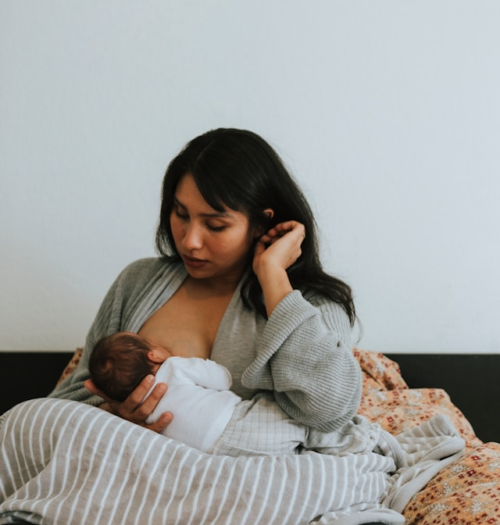
I alerted my husband, who put our newborn in her car seat. There was no way I was leaving my baby so soon—we were still getting into a breastfeeding groove. Sleep-deprived, sore, and slightly confused, I kissed my other children goodbye—thank God my parents and sister were there to care for them—and headed to the car.
I was one week postpartum.
Three Pregnancies, Three Different Experiences
During my first pregnancy in 2013, I experienced a few elevated blood pressure readings toward the end, but nothing outside of what my midwives could manage. I went on to have a peaceful water birth and a healthy baby boy. My postpartum recovery was smooth, and I never needed medication.
In 2016, I had gestational diabetes during my second pregnancy, but it was controlled without medication. Again, I delivered a healthy baby girl at a birthing center, and my blood pressure remained normal.
Then came my third pregnancy in 2017.
The Pregnancy That Felt Different
Toward the end of my third trimester, my blood pressure began rising again—but more frequently and more severely than before.
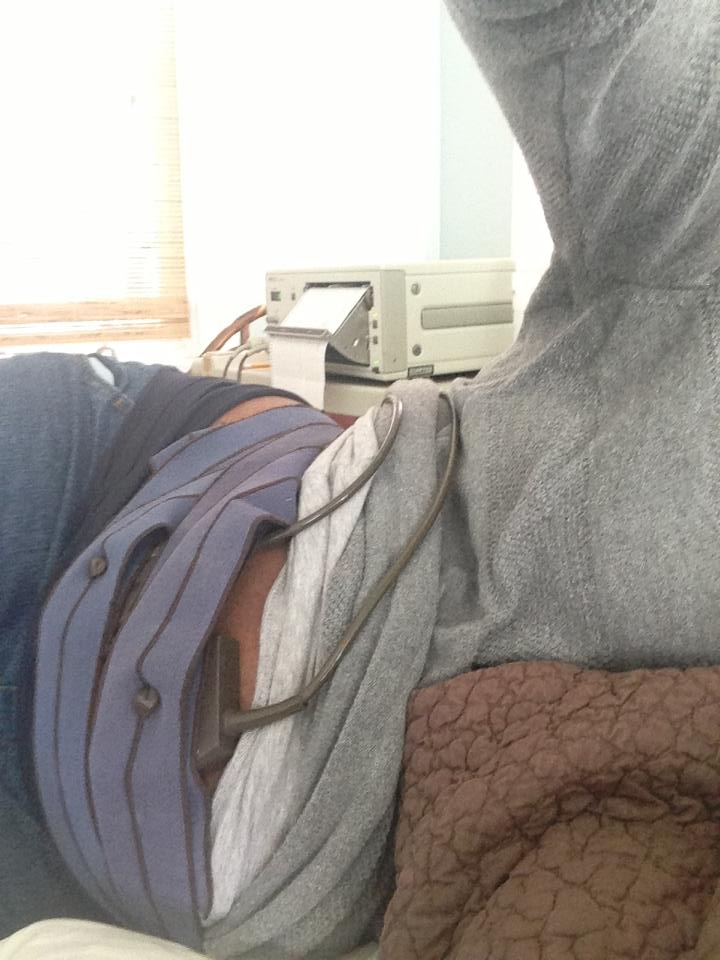
At routine prenatal visits, my readings would be so high that my midwives would send me straight to the hospital for further testing. Each time, I was evaluated for potential complications that could require early delivery.
Thankfully, I was always sent home.
But the closer I got to term, the higher my blood pressure climbed.
Eventually, doctors recommended induction at 39 weeks.
I tried everything to avoid it—teas, oils, membrane sweeps—but nothing worked. I was induced at the hospital, and after a long night of intense contractions and a late epidural, my third baby was born healthy.
I thought the hard part was over.
The First Week Postpartum Felt Normal… Until It Wasn’t
The first week postpartum felt normal.
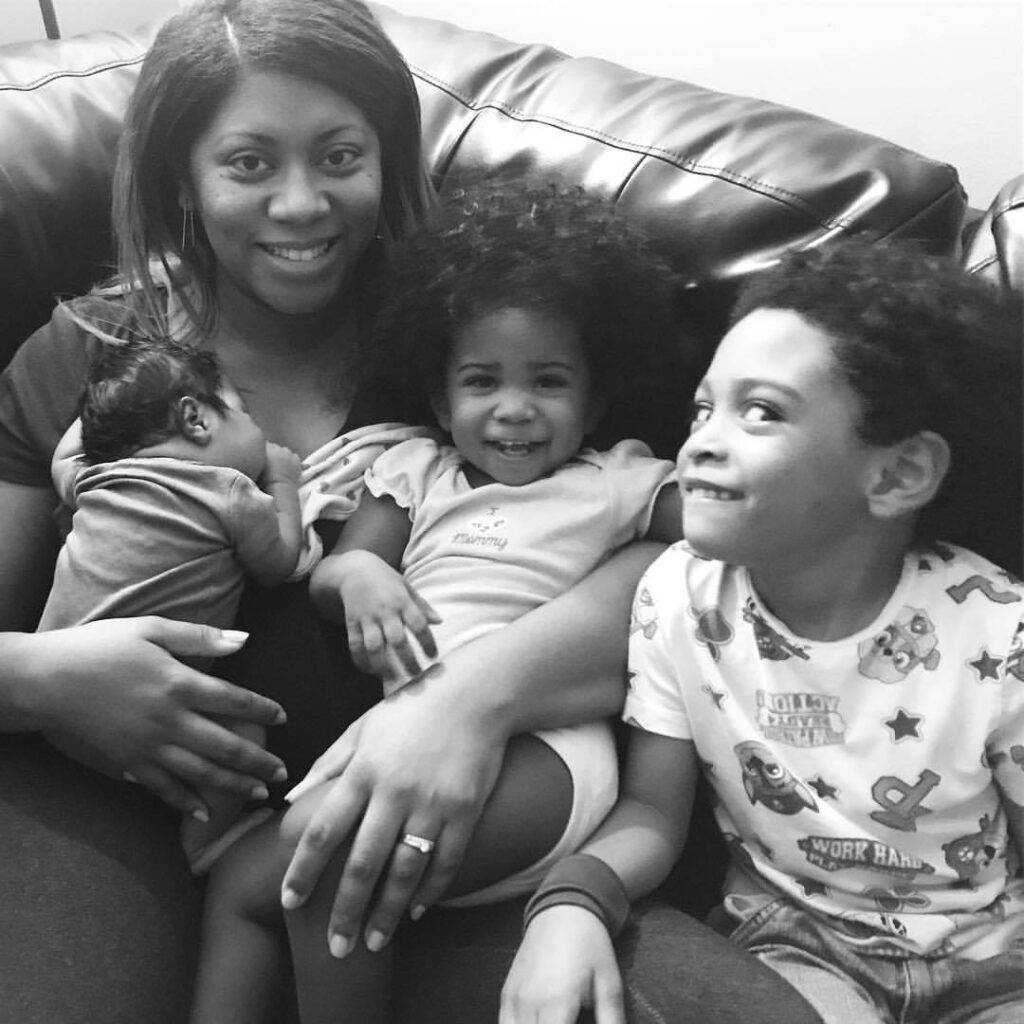
I was breastfeeding, exhausted, and adjusting to life with three children under four.
Then one day, I remembered something my midwife had told me: check your blood pressure daily.
It had been a few days since I checked—so I did.
200s over 100s.
I called the midwife on call.
She asked me to repeat the numbers.
Then she said the words that changed everything:
“You must go to the nearest hospital immediately.”
“Go to the ER Immediately”
At the ER, after intake and waiting, my blood pressure had risen even higher.
Despite how critical my numbers were, I was told I needed to be transferred because they didn’t have a maternity unit.
But I wasn’t pregnant anymore.
Still, they insisted.
Unwilling to wait, my husband drove me himself—past the hospital they recommended and straight to one known for strong perinatal care.
I had no idea how serious things really were.
When It Became Life-Threatening
I arrived with a blood pressure of 214/110.
Soon, it climbed even higher.
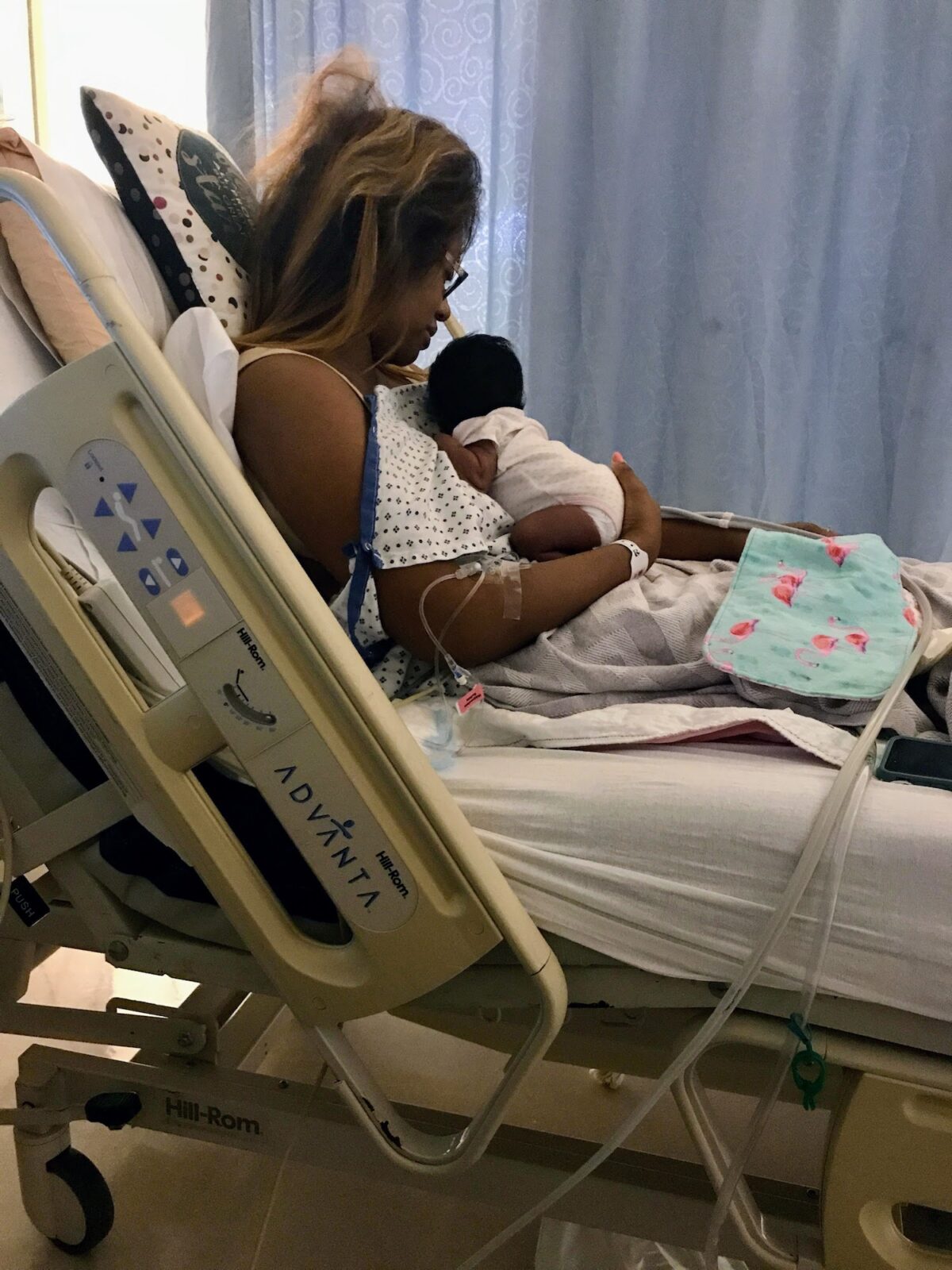
There were no available rooms in the hospital, but my condition forced immediate action. I was rushed into Labor and Delivery, where a team surrounded me—placing IVs, attaching monitors, and starting magnesium sulfate.
The magnesium was unbearable.
I shook uncontrollably. I felt freezing cold, like I was in a blizzard without a coat. A doctor sat beside me, asking questions to keep me alert.
Meanwhile, my newborn sat quietly in her car seat beside my husband.
I remember looking at her and wondering what was happening to me.
Holding On to Anything That Felt Normal
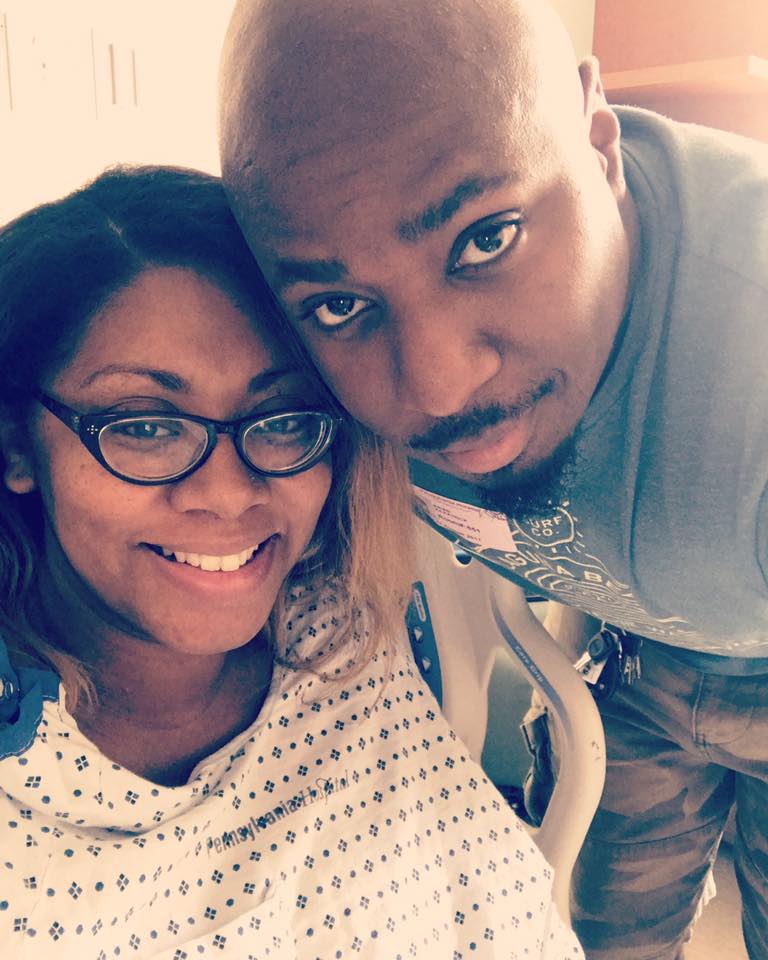
Once stable, I was moved to a recovery area.
Despite the incredible care from nurses, I felt scared, confused, and completely unprepared.
I tried to find normalcy—pumping milk, tending to myself—but nothing about this felt normal.
The Loneliness No One Talks About
Eventually, my husband had to leave to care for our other children.
That’s when the loneliness hit.
Even surrounded by medical staff, I felt deeply alone in what I was experiencing.
Learning to Advocate in the Middle of Crisis
During this stay, I had to quickly learn how to advocate for myself.
When I was told I needed blood pressure medication, I pushed for an option I could actually take, since I struggle swallowing pills.
It was a small win—but it mattered.
Discharged… But Not Really Safe Yet
Eventually, I was moved to the postpartum unit and, after two days, discharged home with medication and a referral to a cardiologist.
Finally, I could return to everyday mom life…
—or so I thought.
If you’re reading this and something feels familiar—if you’ve ever felt unsure about your symptoms or dismissed your own concerns—I want you to know this:
You deserve to be taken seriously.
In Part 2, I share what happened when I returned home… and how I eventually learned the name of what I was experiencing.
You May Also Like